From liability to asset class, an Oklahoma company based in the United States is turning abandoned oil wells into climate capital.
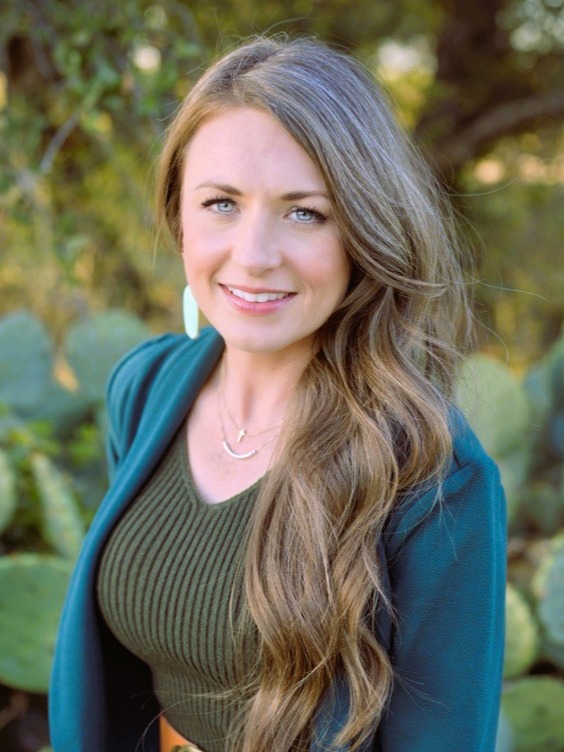
Carbon X, a woman-led environmental services group founded by Geologist Whitney Landress, is transforming these abandoned wells into scalable sustainability investments by permanently stopping methane emissions at the source.
As the voluntary carbon market enters its accountability era, methane reduction projects are emerging as a measurable, investable climate strategy. One of the most overlooked opportunities lies beneath millions of abandoned oil and gas wells scattered across the United States.
The focus has shifted toward measurable, durable emissions reductions as global corporations and institutional investors are increasing demand for verified carbon credits. Capital is gravitating toward projects tied to direct, infrastructure-based methane abatement rather than long-duration sequestration assumptions. Methane abatement projects offer immediacy, measurable impact, and regulatory alignment that more speculative offset models often lack.
Each carbon credit represents one metric ton of greenhouse gas emissions prevented from entering the atmosphere. Companies purchase these credits to meet sustainability targets and strengthen climate commitments. But in an evolving voluntary carbon market, quality matters. Investors and regulators are scrutinizing how emissions are measured, verified, and permanently reduced.
The EPA estimates there are millions of abandoned oil and gas wells across the United States, long treated as environmental liabilities. Today, through disciplined methane abatement strategies, they are emerging as a new climate asset class.
The Methane Advantage
Methane is 84 times more powerful than carbon dioxide over a 20-year period. While CO2 dominates long-term climate discussions, methane drives near-term warming. Reducing methane emissions delivers faster climate impact than many other climate benefit strategies.
Abandoned oil and gas wells are a significant source of preventable methane leakage. Some emit quietly. Others leak visibly, with bubbling gas at wellheads or hissing from corroded flow lines. For landowners, these wells are economic burdens. For investors, they represent untapped environmental assets.
The model is straightforward: measure the methane, eliminate the leak, verify the reduction, and document the results under established registry protocols. No assumptions. No speculation.
As regulators tighten climate disclosure requirements and corporations face greater scrutiny over ESG claims, the voluntary carbon market is maturing. In this environment, credits backed by physical remediation and independent validation outperform speculative alternatives.
Vertical Integration as a Competitive Moat
In a crowded climate-tech landscape, differentiation is not about branding. It is about structure.
Carbon X operates through a vertically integrated model that unites well plugging, methane monitoring, and carbon project development within a coordinated system. The broader team has plugged more than 15,000 wells historically and continues to plug approximately 1,000 wells per year across the Mid-Continent. That level of operational experience is uncommon in the carbon offset market.
Its methane detection division uses certified calibrated instruments to quantify emissions before and after plugging, establishing a defensible baseline and confirming reductions. Project development specialists curate and submit required documentation to carbon registries, working with accredited third-party validators. Credits are issued by the registry only after formal review and approval.
This integrated structure does more than streamline execution. It reduces contractor dependency, strengthens quality control, improves timeline certainty, and reinforces data integrity. In a market where credibility has become currency, operational discipline is a financial advantage.

Walker Ranch: A Blueprint for Scale
The flagship Walker Ranch Methane Abatement Project provides proof of concept.
When field teams arrived at Walker Ranch, numerous wells failed the audible, visual, and olfactory emissions tests. Gas could be heard escaping, and bubbles formed at wellheads. Instrument readings confirmed methane concentrations well above natural background levels. These were real emissions, not theoretical projections.
Each well was tested using ground-based methane detection equipment to establish a comprehensive dataset. Emissions levels prior to plugging were significant. After plugging, methane concentrations returned to natural background levels.
The project secured a 300,000-credit transaction. But the impact extended beyond methane.
More than 5,000 acres of land were restored, far exceeding registry requirements. Miles of pipe, dozens of power poles and electrical lines, degraded tank batteries, and corroded infrastructure were removed. Native grasses returned. Butterfly and quail habitats were revitalized. Native hardwoods began regenerating. Water resources were rehabilitated.
Walker Ranch is more than a carbon credit project. It is a full ecological reset.
The “ranch model” aggregates wells into scalable projects rather than addressing them individually. Scale matters. Corporate buyers increasingly demand large, verifiable reductions rather than fragmented pilot efforts.
Repairing the Past to Finance the Future
The energy transition is often framed as a race toward new technologies. Methane abatement offers a complementary thesis: repair existing infrastructure.
Abandoned wells represent both environmental and economic liabilities. Plugging them removes long-term risk for landowners and operators. Quantifying methane reductions creates measurable environmental value. Documenting those reductions under registry protocols enables the issuance of credits that corporations can purchase to meet climate targets.
In this way, methane abatement becomes a bridge between heavy industry and climate capital.
Industries that were once opposed, such as oil and gas and technology, are increasingly interconnected. Technology companies with growing energy demands are seeking high-integrity, high-impact projects and methane abatement provides measurable reductions to meet that demand.
The carbon market channels private capital toward environmental repair, addressing liabilities that might otherwise persist for decades.
Credibility in a Maturing Market
The voluntary carbon market has evolved rapidly. Early enthusiasm gave way to skepticism over permanence, additionality, and verification. Buyers are now more sophisticated and demand transparency and defensible methodologies.
This operating model aligns with that shift.
Projects are measured with certified detection equipment. Reductions are independently verified by accredited third parties. Documentation is curated and submitted under global registry standards. Credits are issued only after formal approval.
Continuous monitoring pilots are underway, creating what the company describes as a living laboratory for long-term methane tracking. Verification does not end at plugging.
The objective is clear: eliminate ambiguity.
.jpg)
Leadership Rooted in the Field
Whitney Landress built her career drilling wells and evaluating reservoirs before entering climate finance. That operational background shapes the company’s philosophy: climate solutions must withstand field conditions, regulatory scrutiny, and financial analysis simultaneously.
Engineering discipline matters. Documentation matters. Permanence matters.
As a woman leading a company in one of the most historically male-dominated industries, Landress represents a shift in leadership visibility within both energy and climate finance. Technical rigor and environmental accountability are not opposing forces. In this model, they reinforce one another.
The guiding principle, Accountable by Nature, reflects that balance.
Scaling the Model
Hundreds of legacy wells across Texas and Oklahoma now fit this infrastructure-backed carbon framework, suggesting methane abatement could scale into a regional asset class rather than remain a niche remediation effort.
The financial implications are significant. Climate capital is increasingly seeking projects that deliver measurable, durable impact. Methane abatement from abandoned wells offers immediate reductions, permanent infrastructure fixes, ecological restoration, and traceable documentation.
It transforms neglected industrial remnants into investable climate assets.
A Different Kind of Energy Transition
The next phase of the energy transition will not be defined solely by what is built, but also by what is repaired.
Abandoned wells dot the American landscape, remnants of decades of extraction and deferred responsibility.
In the accountability era of climate finance, capital will favor what can be measured, verified, and permanently fixed. Methane abatement from abandoned wells may be one of the few climate strategies that satisfies all three at scale.
About Whitney Landress
Whitney Landress is an Oklahoma-based Geologist and climate infrastructure entrepreneur focused on methane abatement and infrastructure-backed carbon markets. She has worked extensively in oil and gas operations and now leads large-scale projects converting abandoned wells into verified carbon credits. Her work sits at the intersection of energy, environmental accountability, and capital markets.
Connect with Carbon X
Website | www.carbonxcredits.com
LinkedIn | @Carbon X Credits (CXC)
Instagram | @carbonxcredits
X | @carbonxcredits
Email | info@carbonxcredits.com
Photos by Lady Daze Creative
Article by Daniel Moore
-
Do you have old oil or gas wells on your land that you think may be leaking? Carbon X can help. Our team specializes in evaluating legacy wells and developing solutions to permanently seal them, stop harmful methane emissions, and restore the land to a healthier state.
Many of the wells we work on are aging, low-producing, or abandoned wells that no longer generate value for operators and often burden landowners with environmental and financial risk. By partnering with us, you can ensure your property is evaluated by experts, plugged to the highest standards, and potentially included in a carbon credit project that funds the cost of remediation.
If you believe you may have wells on your property that need attention, please reach out to our team on our Contact Page. Together, we can assess the site, determine the best path forward, and contribute to meaningful climate action while improving the value and safety of your land.

Climate Week Happy Hour: Connect in NYC Join Carbon X, BCarbon, and EarthOptics for a Climate Week NYC Happy Hour bringing together leaders across carbon markets, energy, climate technology, finance, policy, and project development. Space is limited, so register now and join us for drinks, conversation, and new connections in New York.

From the Field to Climate Week NYC Carbon X is headed to New York for Climate Week 2026, bringing real-world methane abatement experience to the global climate conversation. We’re connecting with leaders across carbon markets, energy, technology, finance, verification, and policy to build partnerships that can scale measurable methane reductions and mobilize capital for legacy well remediation.